Beer brewing is a fermentation process that requires precise control. As the core vessel of this process, the fermentation tank directly determines the quality and safety of each batch of product through its sanitary condition. In actual production, the inner walls of fermentation tanks accumulate proteins, hop resins, yeast residues, and various inorganic deposits. If these contaminants are not systematically cleaned and disinfected, they will not only affect the normal fermentation of the next batch but may also cause abnormal flavor, reduced yeast activity, equipment corrosion, and even safety accidents.
Therefore, establishing a scientific and standardized cleaning and sterilization management system for fermentation tanks is a fundamental task that every beer production enterprise must take seriously. This article provides a comprehensive explanation of fermentation tank cleaning and disinfection, including its importance, analysis of dirt characteristics, standard operating procedures, sterilization methods, safety precautions, and common troubleshooting methods, helping operators and managers master key technical points.
The cleaning and sterilization of fermentation tanks is a critical step in beer production management due to the special nature of fermentation itself. After long-term operation, fermentation tanks develop complex deposits on their inner walls, consisting of both organic substances such as proteins and polysaccharides from wort, and inorganic deposits such as calcium oxalate and sulfates formed during fermentation.
If cleaning is incomplete, these residues become breeding grounds for microorganisms, leading to cross-contamination. At the same time, fermentation tanks are sealed pressure vessels, and cleaning operations involve carbon dioxide release and chemical cleaning agents, both of which present safety risks.
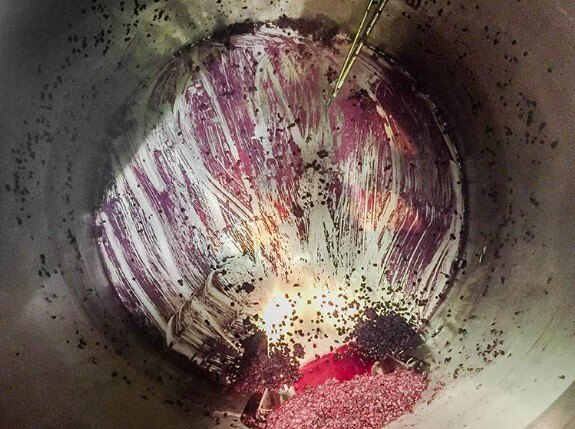
Fermentation tanks are indispensable core equipment in breweries and cider production facilities. They are used to contain wort or juice during fermentation and directly influence the flavor and aroma of the final product. The cleanliness of fermentation tanks is essential for maintaining fermentation stability, ensuring pure beer flavor, and guaranteeing production safety.
If cleaning and sterilization management is insufficient, residues of beer, yeast, organic and inorganic matter will affect the quality of subsequent fermentation batches. Contamination sources may include bacteria, wild yeast, or residues from previous batches, resulting in off-flavors and undesirable compounds such as acetaldehyde and diacetyl. In severe cases, entire batches may be discarded.
Long-term residue accumulation reduces equipment efficiency and increases the risk of recontamination, making subsequent cleaning more difficult. Protein deposits, beer stone, and chemical cleaning residues can negatively affect fermentation, reduce yeast activity, and even cause equipment corrosion or safety hazards.
Standardized cleaning and equipment management not only improve beer quality but also optimize brewing processes, increase equipment uptime, reduce product loss, and ultimately enhance overall production efficiency and economic benefits.
Understanding the importance of cleaning is only the first step. It is also necessary to analyze the composition and physicochemical properties of tank wall deposits. Only by understanding what the dirt is, how it forms, and its characteristics can appropriate cleaning agents and processes be selected.
Deposits in fermentation tanks are not single substances but complex composite layers of organic and inorganic materials. This complexity means that a single cleaning method is insufficient, and a combination of alkaline and acidic cleaning is required.
During fermentation, large amounts of proteins, hop resins, polysaccharides, yeast, calcium oxalate, and sulfates are produced. After draining, these substances adhere to the tank walls, forming yellow-brown deposits. When beer stone is heavily accumulated, white crystalline structures may appear, resembling salt crusts.
Since tank deposits are mixed organic-inorganic systems, single cleaning agents cannot fully remove them. Caustic soda (alkaline cleaning) mainly removes organic matter but has limited effect on inorganic deposits. Conversely, nitric acid mainly removes inorganic substances but is ineffective against organic residues.
Generally, for every 10°C increase in temperature, the chemical reaction rate increases by approximately 1.5 times. Therefore, cleaning efficiency improves significantly when the temperature reaches above 80°C. Small fermentation tanks often use hot alkaline cleaning to improve effectiveness.
Before starting the cleaning process, a series of preparatory steps must be completed. These are crucial for both cleaning effectiveness and operator safety, including personal protective equipment (PPE), safe gas release, and preliminary rinsing.
Personal Protective Equipment Requirements: Operators must wear full PPE, including chemical-resistant gloves, protective goggles or face shields, protective clothing, and rubber boots. Emergency eyewash stations and shower systems must be confirmed to be operational.
Carbon Dioxide Safety Handling: After beer discharge, carbon dioxide may remain in the tank. It must be safely removed by compressed air purging for 10–15 minutes to ensure safe gas replacement and prevent accumulation risks.
Pre-Rinsing Preparation: The tank should be rinsed twice with clean water to remove visible residues and beer odor. Hot water at around 90°C may be used for preheating rinses. Sampling ports must be opened during cleaning to ensure proper airflow and cleaning efficiency.
After preparation, the main cleaning process begins. The standard procedure follows the principle of “clean first, sterilize later.” This is because disinfectants cannot effectively contact microorganisms if dirt remains on the surface. Only after complete removal of contaminants can sterilization be effective. Otherwise, disinfectants cannot reach microorganisms beneath residues, reducing sterilization efficiency and potentially causing spoilage.
- Gas Removal and Pre-Rinse: Residual carbon dioxide is first removed using compressed air for 10–15 minutes. The tank is then rinsed with clean water to remove yeast residues, followed by a 90°C hot water rinse. Multiple rinses (3–4 cycles, 60–80 seconds each) are performed before alkaline cleaning.
- Valve Disassembly and Cleaning: Discharge valves and sterile sampling valves are disassembled and cleaned using alkaline solution brushes, then reinstalled. Sampling ports must be properly sealed after cleaning.
- Alkaline Cleaning: A 5% caustic soda solution at 45–50°C is circulated for 30 minutes, with concentration monitored and replenished if necessary. Afterward, a second circulation using 1.5%–2% hot alkaline solution at 80°C is performed for 30–60 minutes. Alkaline cleaning mainly removes organic matter, and higher temperatures significantly improve cleaning efficiency.
- Intermediate Rinse: After alkaline cleaning, the system is rinsed with water for 15 minutes. The pH of discharged water is tested and must stabilize between 6.8 and 7.2 with no foam. Final rinsing continues until neutral pH is achieved.
- Acid Cleaning: A 1%–2% nitric acid solution is used for about 15 minutes. Acid cleaning mainly removes inorganic deposits and must be combined with alkaline cleaning for full effectiveness.
- Final Rinse and Drying: The system is rinsed again until neutral pH is achieved, then fully dried to prevent microbial growth.
After cleaning, sterilization is required to eliminate remaining microorganisms.
- Classification of Sterilization Methods: Sterilization methods include chemical and thermal methods. Common chemicals include sodium metabisulfite, iodine-based solutions, and chlorine dioxide. Thermal sterilization uses hot water but is not always applicable.
- Chemical Sterilization: Common practice includes circulating peracetic acid diluted 1:200–1:250 for 30 minutes or hydrogen peroxide (1%) for 20 minutes. Strict PPE is required.
- Post-Sterilization Treatment: After sterilization, thorough rinsing is required to remove residues. The tank must be completely dry before reuse.
- Positive Pressure Protection: A positive pressure of 0.01–0.04 MPa must be maintained throughout cleaning and sterilization to prevent contamination.
Cleaning involves high temperature, pressure, and corrosive chemicals, making safety management essential.
- Gas Discharge Safety: Sampling and exhaust ports must be open during alkaline cleaning to prevent pressure imbalance or vacuum formation.
- Prohibition of Chlorine-Based Chemicals: Chlorine-based disinfectants are strictly prohibited due to corrosion risks on stainless steel equipment.
- Temperature Control: Alkaline cleaning temperature must be controlled at 45–50°C, with regular inspection of welds and passivation treatment.
- Personnel Safety: Main risks include chemical burns and eye injuries. PPE, closed dosing systems, and emergency eyewash stations are required.
- Incomplete Cleaning: Caused by blocked spray balls, low concentration, or insufficient temperature/time. Solutions include maintaining proper pressure (0.2–0.4 MPa) and immediate pre-rinsing.
- Chemical Residues: Lead to slow fermentation and off-flavors. Ensure proper rinsing and use sterile air purging.
- Equipment Corrosion: Caused by chlorine or excessive temperature. Replace with hydrogen peroxide-based agents and control temperature strictly.
- Excessive Foam: Solved by using low-foam detergents or defoamers and ensuring proper pipeline positioning.
Fermentation tank cleaning and sterilization management is a core and indispensable part of beer production. From understanding deposit characteristics to implementing standardized cleaning procedures, and from safety control to troubleshooting, every step requires strict attention.
Only by combining alkaline and acid cleaning, integrating mechanical and chemical cleaning, and unifying operational standards with safety management can fermentation tanks be maintained in optimal sanitary condition, ensuring stable production of high-quality beer.
For brewing enterprises, establishing a standardized cleaning and sterilization system is an essential path toward improving product quality, ensuring production safety, and achieving long-term economic efficiency.
