
- Oct 31, 2026
- Hits: 2
A pressure vessel is an enclosed piece of equipment designed to contain gases or liquids under a specified pressure. As an essential component of many industrial production processes, pressure vessels are widely used in the chemical, metallurgical, energy, building materials, and other industries.
In China, stationary pressure vessels are classified according to factors such as design pressure and hazard level, with different qualification categories corresponding to different manufacturing and service scopes.
- A2-class pressure vessel qualification: Covers the scope of D-class pressure vessels and authorizes the manufacture of relevant Category I and Category II low- and medium-pressure pressure vessels.
- Additional A2-class authorization: Also covers on-site manufacturing of extra-large, non-spherical, low- and medium-pressure pressure vessels. This makes A2 one of the more comprehensive qualification categories in China's low- and medium-pressure pressure vessel sector.
From an application perspective, pressure vessels generally perform four essential functions in chemical processing:
- Reaction: Serve as pressure-containing vessels for chemical reactions, designed to meet specific operating pressure and temperature requirements.
- Storage: Contain pressurized gaseous or liquid raw materials and finished products, supporting the large-scale storage requirements of industrial production.
- Heat Transfer: Facilitate heat exchange between process streams to maintain the required temperature conditions throughout production.
- Separation: Enable the separation of different process media under controlled pressure conditions, helping ensure that products meet the required purity standards.
For industries such as chemical processing, soda ash production, and salt processing, where demanding pressure conditions are common, the safety and suitability of pressure vessels directly affect the stability of entire production lines. They also have a significant impact on operational safety and regulatory compliance. Selecting equipment that meets the applicable qualification requirements and matches the production process is therefore a critical part of industrial procurement.
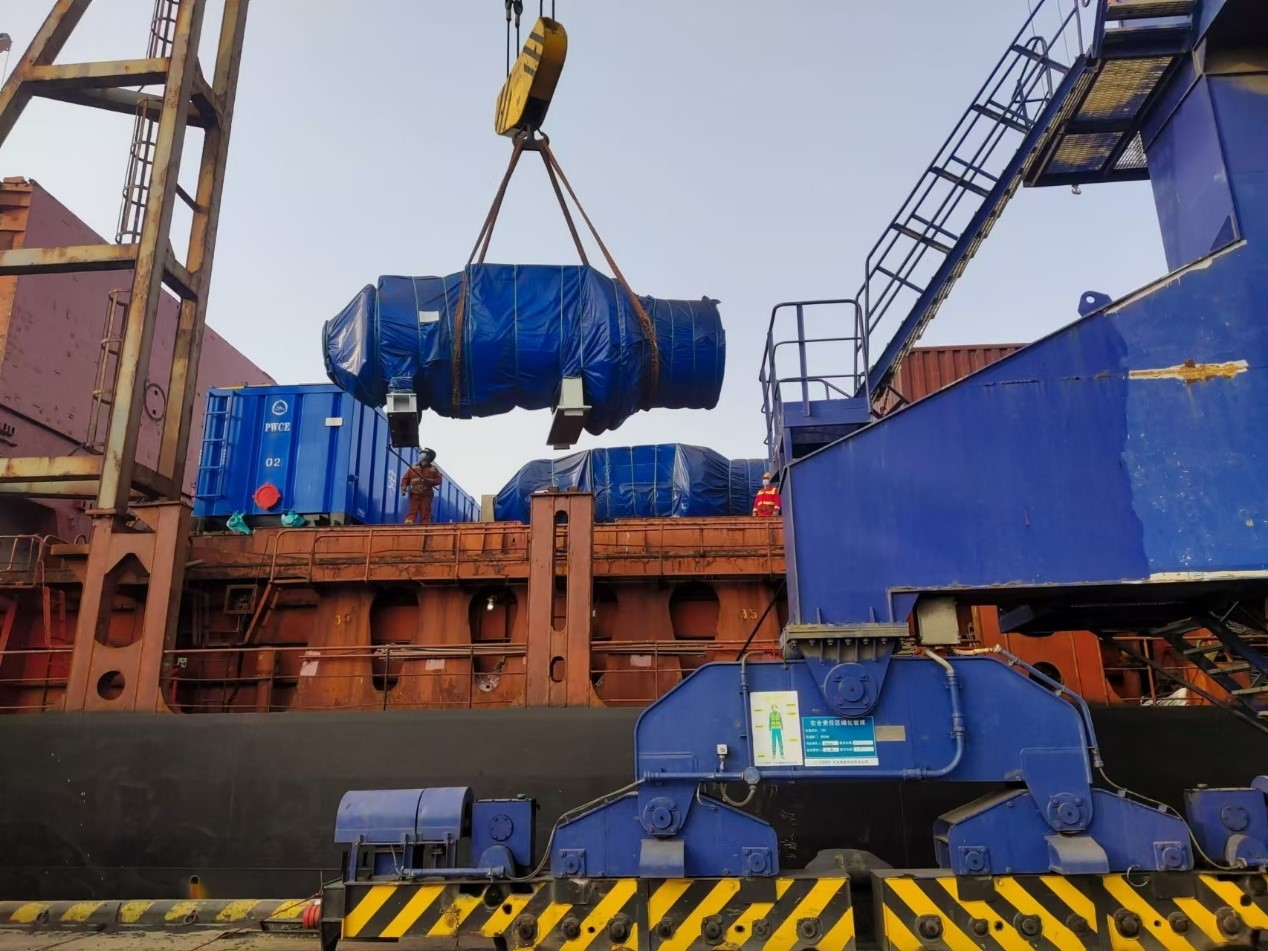
After more than 70 years of development, China's pressure vessel industry has progressed from relying heavily on imported equipment to achieving substantial domestic manufacturing capabilities. However, as downstream industries continue to upgrade their production technologies, customer requirements are also changing. Several major trends are shaping the market in 2026.
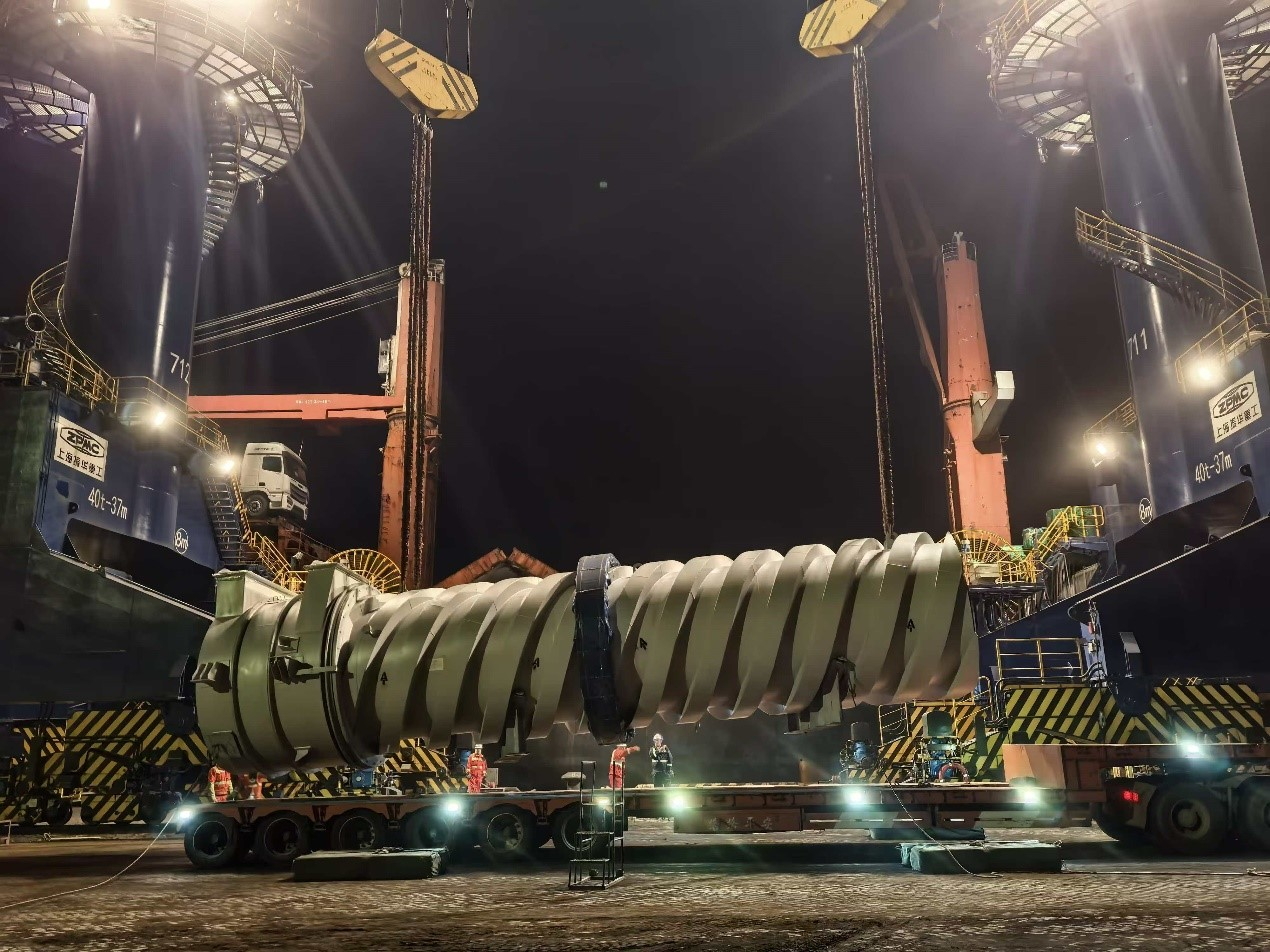
As chemical plants and industrial projects continue to expand in scale, the demand for large-capacity pressure vessels is increasing. However, conventional factory-built vessels can be difficult or impossible to transport as complete units because of road transportation restrictions on overall dimensions and weight.
This creates a growing need for manufacturers with proven on-site fabrication capabilities. Suppliers that can manufacture extra-large pressure vessels directly at project locations can overcome transportation limitations while reducing the need for sectional fabrication, transportation, and field assembly.
Different industries and production lines operate under different process parameters, site conditions, and media characteristics. Standardized pressure vessels may therefore fail to meet specific application requirements without modification.
In many cases, equipment that initially appears suitable requires additional engineering or structural modifications after installation. Such changes can extend commissioning schedules, increase project costs, and introduce unnecessary technical complications.
As a result, more industrial customers are looking for suppliers that can provide customized engineering solutions based on actual process conditions rather than simply manufacturing equipment to general specifications.
Traditionally, many pressure vessel manufacturers focused primarily on equipment fabrication. Customers had to engage separate contractors for installation, repair, and modification, creating additional coordination work and making responsibility difficult to establish when quality problems occurred.
Today, more customers prefer suppliers that can cover the entire service process, from design and manufacturing to installation, inspection, repair, and modification. An integrated service model reduces the number of parties involved, simplifies project management, and makes quality and delivery responsibilities clearer.
As China's chemical equipment exports continue to expand, more domestic engineering, procurement, and construction (EPC) contractors are undertaking overseas projects. Pressure vessel suppliers must therefore meet increasingly demanding international compliance requirements.
Depending on the destination market and project specifications, manufacturers may need internationally recognized certifications, design documentation, manufacturing records, and quality assurance systems. They must also be capable of supporting local inspections and regulatory acceptance procedures.
Against this background, supplier selection is no longer simply a matter of comparing equipment prices. Buyers need to evaluate qualifications, engineering capabilities, manufacturing capacity, service coverage, and project experience. Choosing the right supplier can significantly reduce hidden project costs, while choosing the wrong one may create serious safety and compliance risks.
When purchasing pressure vessels, buyers can easily overlook important technical and commercial considerations. These mistakes may increase project costs, delay commissioning, or even create serious safety risks. The following are five common procurement pitfalls and practical ways to avoid them.
Pressure vessels are regulated special equipment, and manufacturing and service activities are subject to strict qualification requirements in China. Different qualification categories authorize different types of work.
Some small manufacturers, for example, may only hold qualifications covering D-class manufacturing. They may not be authorized to undertake installation, repair, or modification work, or to manufacture extra-large pressure vessels requiring special on-site fabrication authorization.
Purchasing equipment from a supplier that operates beyond its authorized scope can result in failed regulatory inspections and significant safety and compliance risks.
How to avoid it:
- Ask the supplier to provide its Special Equipment Production License.
- Verify the license information through the relevant national special equipment regulatory platform.
- Confirm that the approved scope explicitly covers the manufacturing or service activities required for your project.
- If extra-large on-site fabrication is required, check that the license specifically authorizes on-site manufacturing of extra-large, non-spherical, low- and medium-pressure pressure vessels.
Many buyers prioritize initial quotations when comparing pressure vessel suppliers. However, the purchase price represents only part of the total cost. Installation, process adaptation, inspection, maintenance, and coordination between multiple contractors can all generate additional expenses.
A low-priced vessel may prove unsuitable for the actual operating conditions and require modifications after delivery. When additional engineering work, installation adjustments, and multi-supplier coordination are included, the total expenditure may be considerably higher than initially expected.
How to avoid it:
Evaluate the total cost of ownership rather than comparing equipment prices alone. Include design, manufacturing, transportation, installation, inspection, commissioning, and long-term maintenance in the cost assessment. Whenever possible, prioritize suppliers that can provide integrated services throughout the project lifecycle.
Pressure vessel design must reflect the specific requirements of the production process. For example, pressure vessels used in soda ash calcination processes may need to be designed in coordination with the operating parameters of the main calcination furnace.
Manufacturers without sufficient experience in specialized industries may focus only on basic design parameters while overlooking important process-related considerations. This can lead to problems such as unsuitable flow distribution, inadequate corrosion resistance, and poor integration with upstream or downstream equipment.
Such issues can reduce production efficiency and increase maintenance requirements.
How to avoid it:
- Prioritize suppliers with established experience in your specific industry.
- Review their previous projects involving similar process conditions and equipment.
- Confirm that they understand the characteristics of the operating medium, pressure, temperature, and production process.
- Choose a supplier capable of providing customized engineering rather than simply adapting a standard product.
For overseas projects, domestic manufacturing qualifications alone may not satisfy the requirements of the destination country or the project owner.
Some manufacturers do not hold internationally recognized certifications, such as ASME authorization, or lack experience preparing documentation in accordance with international codes. As a result, equipment may fail to pass local inspections or acceptance procedures, delaying commissioning and increasing project costs.
How to avoid it:
- Confirm in advance whether the supplier holds valid ASME U certification when required by the project.
- Request design documents, manufacturing records, inspection reports, and quality certificates that comply with the applicable project codes.
- Review the supplier's previous overseas project experience.
- Confirm that the manufacturer can cooperate with local inspection agencies and acceptance procedures.
When existing pressure vessels require refurbishment or modification, some service providers focus only on visible defects and carry out localized repairs without conducting comprehensive non-destructive testing (NDT) or a systematic condition assessment.
This approach may leave hidden defects undetected and fail to address underlying problems such as corrosion, structural deterioration, or reduced pressure-bearing capacity. Consequently, the work may not significantly extend the equipment's remaining service life.
How to avoid it:
Select a service provider capable of conducting comprehensive inspections and developing an integrated modification plan. The assessment should consider structural integrity, corrosion protection, pressure-bearing performance, and other relevant factors. A systematic approach helps identify potential risks, improve equipment reliability, and extend its service life.
Having reviewed the fundamentals of pressure vessels, current industry trends, and common procurement pitfalls, many buyers may ask: Where can they find a qualified and reliable pressure vessel supplier?
DFCTANK is a Chinese chemical equipment manufacturer with A2-class pressure vessel qualifications and integrated capabilities covering the full service lifecycle. Drawing on its experience in chemical equipment manufacturing, the company has developed a service model designed to address the evolving requirements of industrial customers across multiple sectors.
DFCTANK holds an ASME U Stamp authorization certificate issued by the American Society of Mechanical Engineers (ASME). Its pressure vessel manufacturing activities follow the ASME Boiler and Pressure Vessel Code (BPVC), supporting compliance requirements for overseas projects where ASME certification is specified.
The company has also obtained certification for three major management systems:
- ISO 9001: Quality Management System
- ISO 14001: Environmental Management System
- ISO 45001: Occupational Health and Safety Management System
These certifications provide a structured framework for quality assurance, environmental management, and workplace safety.
DFC Equipment has established integrated capabilities covering pressure vessel design, manufacturing, installation, repair, and modification. These services address the lifecycle requirements of low- and medium-pressure equipment across multiple industries.
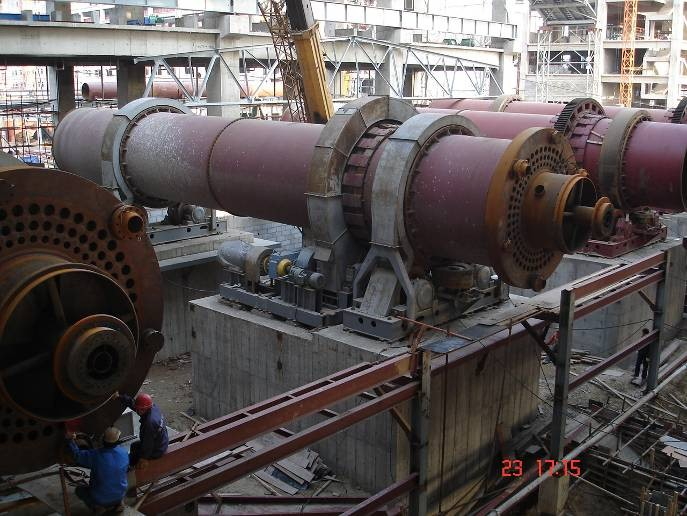
One of its particular strengths is the on-site fabrication of extra-large, non-spherical, low- and medium-pressure pressure vessels. This capability helps overcome road transportation restrictions and supports large-scale chemical projects that require vessels with substantial capacities and dimensions.
DFCTANK's capabilities are designed to address several recurring challenges in pressure vessel procurement and project execution.
1. On-Site Fabrication of Extra-Large Pressure Vessels
DFCTANK can manufacture extra-large pressure vessels directly at project locations, helping customers overcome transportation restrictions associated with oversized equipment. Instead of dividing vessels into sections for transportation and subsequent field assembly, on-site fabrication can reduce complex transportation and assembly procedures while enabling more consistent quality management throughout the manufacturing process.
2. Specialized Experience in Chemical Processing
The company has developed experience in specialized chemical industry applications, particularly soda ash and salt processing. By understanding the requirements of key production processes, DFCTANK can customize vessel designs according to the customer's process medium, operating pressure, temperature, and other technical parameters.
This process-oriented approach helps improve equipment compatibility, reduce the need for secondary modifications, and support more stable production operations.
3. Full-Lifecycle Services from Design to After-Sales Support
DFCTANK provides an integrated service model covering design, manufacturing, installation, repair, modification, and after-sales support. Customers can coordinate with a single supplier instead of managing multiple contractors for different stages of the project.
This approach helps reduce communication and coordination costs while making project responsibilities and service arrangements more transparent.
4. Integrated Supply of Calcination Furnaces and Supporting Pressure Vessels
Leveraging its capabilities in core calcination furnace equipment, DFC Equipment can provide integrated supply solutions combining main calcination furnaces with their supporting pressure vessels.
This allows key process equipment and associated pressure vessels to be designed, delivered, and installed in a coordinated manner. Better integration can help reduce dimensional discrepancies, scheduling conflicts, and coordination costs between different equipment suppliers.
5. Comprehensive Quality Control and Traceability
The company has established quality control procedures covering the manufacturing process. Key welds are produced using robotic automated welding technology, while pressure-retaining components undergo non-destructive testing and material or mechanical property testing in accordance with applicable requirements.
Manufacturing and inspection records are retained to support traceability. These procedures help improve welding consistency, verify material quality, and provide stronger assurance of pressure equipment integrity.
6. On-Site Installation and Ongoing Technical Support
DFCTANK's field service teams can travel to project locations in China and overseas to support equipment positioning, installation, pressure testing, and regulatory inspection procedures.
After delivery, the company can also provide ongoing services, including scheduled inspections, troubleshooting, in-service modification, and component replacement. This continued support helps customers maintain safe and reliable equipment operation over the long term.
Pressure vessel requirements vary significantly depending on the project type, production process, operating environment, and equipment lifecycle stage. The following recommendations outline the key considerations for several common applications.
For newly constructed chemical production lines, the main requirements are coordinated equipment supply, compatibility with existing process equipment, and shorter project schedules.
Buyers should prioritize suppliers that:
- Provide customized designs based on actual production parameters, including structural configuration and corrosion protection requirements.
- Cover the entire process from engineering and manufacturing to installation, reducing the number of contractors involved.
- Can supply both core process equipment and supporting pressure vessels as an integrated package when the project involves key processes such as calcination.
For calcination-related applications, an integrated equipment solution can help avoid dimensional inconsistencies and delivery schedule conflicts between different suppliers.
For extra-large pressure vessels, transportation dimensions and the quality control of field welding are often the primary challenges.
Buyers should look for suppliers that:
- Hold qualifications explicitly authorizing on-site fabrication of extra-large, non-spherical, low- and medium-pressure pressure vessels.
- Have an established quality management system for field manufacturing.
- Employ qualified inspection personnel and have the necessary testing equipment and procedures.
DFC Equipment has the relevant qualifications and experience in on-site fabrication. It can carry out manufacturing and inspection activities at project locations, applying quality control procedures consistent with those used in factory production. This makes it a potential solution for projects requiring extra-large, high-capacity pressure vessels.
For pressure vessels that have been operating for many years, the main objectives are to identify potential defects, implement targeted modifications, and extend equipment service life.
Recommended suppliers should:
- Hold the required qualifications for pressure vessel repair and modification.
- Provide comprehensive non-destructive testing and condition assessment.
- Develop systematic engineering solutions rather than simply repairing visible defects.
DFC Equipment can provide services covering inspection, evaluation, and modification. Its solutions can address issues such as corrosion and structural deterioration in aging vessels, helping improve equipment condition, extend service life, and reduce the need for premature replacement.
Older industrial facilities may need to upgrade existing pressure vessels to meet current special equipment regulations and eliminate potential safety hazards.
Buyers should prioritize suppliers that:
- Hold the necessary qualifications for pressure vessel modification.
- Can carry out upgrades in accordance with applicable current codes and regulatory requirements.
- Provide complete inspection records and compliance documentation.
- Can support the necessary inspection and acceptance procedures after modification.
DFC Equipment provides modification services designed to comply with China's applicable special equipment requirements. It can also assist customers with the relevant inspection and acceptance procedures after the work is completed.
For international engineering projects, the main requirements are compliance with applicable international standards, complete technical documentation, and support for local inspection and acceptance.
Recommended suppliers should:
- Hold valid ASME U Stamp authorization when required by the project.
- Have a proven track record of delivering overseas projects.
- Provide design documentation, manufacturing records, and quality certificates that meet the specified standards.
- Offer technical support and coordinate with local inspection organizations when necessary.
According to DFCTANK, its pressure vessel products have been exported to 12 countries and have successfully passed the relevant local acceptance procedures. This overseas project experience provides a foundation for supporting customers with different national standards and project requirements.
As an established manufacturer specializing in pressure vessels and chemical equipment, DFCTANK is committed to four core principles: safety first, quality as the foundation, process compatibility as a priority, and service as the backbone.
With its manufacturing qualifications, engineering capabilities, on-site fabrication experience, and integrated service model, the company aims to meet the pressure vessel requirements of customers across different industries and project scenarios. Its solutions are designed to provide compliant, reliable, and process-compatible equipment while helping customers control project costs and maintain stable production operations.
Whether you require pressure vessel design, manufacturing, installation, repair, or modification, DFCTANK can work with you to assess your actual operating conditions and develop a customized solution.
Contact DFC Equipment to discuss your pressure vessel project requirements and explore an integrated solution tailored to your production process.